
Last Will & Testament
A Last Will and Testament is a legal document that allows an individual to specify how their assets will be distributed after death, name guardians for minor children, and designate an executor to manage their estate. A properly drafted will helps ensure that a person’s wishes are carried out and can reduce disputes among surviving family members.
Step 1: Initial Consultation and Planning
The process begins with a detailed discussion of the client’s goals, family situation, and assets. Key considerations include:
Who will inherit property and assets
Guardianship for minor children
Selection of an executor
Special gifts or specific bequests
Charitable intentions, if any
Step 2: Asset Review and Beneficiary Decisions
A thorough review of assets is conducted. The attorney helps ensure that beneficiaries are clearly identified and that the distribution plan reflects the client’s intentions.
Step 3: Drafting the Will
A legally valid Last Will and Testament is prepared in accordance with state law requirements. The document typically includes:
Appointment of an executor
Identification of beneficiaries
Instructions for distribution of assets
Appointment of guardians for minor children (if applicable)
Residuary clause covering remaining assets
Step 4: Review and Revisions
The draft will is reviewed with the client to ensure accuracy and clarity. Any necessary revisions are made to reflect changes in wishes or circumstances before final execution.
Step 5: Execution of the Will
To be legally valid, the will must be properly signed and witnessed according to state law. This often includes:
Signing by the testator (the person making the will)
Presence of required witnesses
Notarization, where applicable (such as for self-proving affidavits)
Step 6: Safe Storage and Updates
The executed will should be stored in a secure location, such as:
A safe deposit box
Attorney’s office
Secure home location
It is also important to review and update the will after major life events, such as marriage, divorce, birth of children, or significant financial changes.
A Last Will and Testament is a foundational estate planning document, but even small errors can lead to disputes, delays, or unintended distributions. Our firm provides careful drafting, personalized guidance, and legal compliance review to ensure each will accurately reflects our clients’ wishes and meets all legal requirements. We are committed to helping families achieve clarity, protection, and peace of mind through thoughtful estate planning. Call today at (305) 709-2507 or book a consultation online to start your Last Will & Testament process.

Probate
Probate is the legal process through which a deceased person’s estate is administered and distributed under court supervision. The process generally involves validating a will, identifying and valuing assets, paying debts and taxes, and distributing property to beneficiaries or heirs.
Step 1: File the Probate Petition
The probate process typically begins by filing a petition with the appropriate probate court in the county where the deceased person resided. The court will review the petition and determine whether to formally open the estate.
If a valid will exists, the court may appoint the individual named as executor. If there is no will, the court may appoint a personal representative or administrator to manage the estate.
Step 2: Identify and Gather Estate Assets
The personal representative is responsible for locating and securing estate assets. An inventory and valuation of estate assets may be required by the court.
Step 3: Notify Creditors and Interested Parties
State law generally requires notice to:
Beneficiaries and heirs
Known creditors
Other interested parties
Creditors are provided an opportunity to file claims against the estate within a specified legal timeframe.
Step 4: Pay Debts, Expenses, and Taxes
Before assets can be distributed, the estate must address:
Outstanding debts
Funeral expenses
Administrative costs
Applicable taxes
The personal representative must ensure all valid obligations are properly resolved in accordance with probate law.
Step 5: Distribute Estate Assets
Once debts and expenses are paid, the remaining assets are distributed according to:
The terms of the will, or
State intestacy laws if no valid will exists
The court may require approval before final distributions are made.
Step 6: Close the Estate
After all required steps are completed, the personal representative files final documents with the probate court requesting closure of the estate. Once approved, the estate administration is formally concluded.
Probate proceedings can involve complex legal requirements, financial responsibilities, and disputes among beneficiaries or creditors. Our firm provides experienced guidance throughout every stage of the probate process, helping executors, administrators, and families navigate estate administration efficiently and in compliance with applicable law. We work to minimize delays, resolve legal issues effectively, and protect our clients’ interests during what is often a difficult and emotional time. Call us today at (305) 709-2507 or book a consultation online to start a Probate process.

Cancellation of Removal
Cancellation of Removal is a form of relief available to certain individuals in removal proceedings that may allow them to remain lawfully in the United States and, in some cases, obtain lawful permanent resident status. Eligibility requirements vary depending on whether the applicant is a lawful permanent resident or a nonpermanent resident.
Step 1: Determine Eligibility
Eligibility for Cancellation of Removal depends on several factors, including immigration history, criminal history, length of residence in the United States, and family relationships.
For nonpermanent residents, applicants generally must demonstrate:
Continuous physical presence in the United States for at least 10 years
Good moral character during that period
No disqualifying criminal offenses
That removal would result in exceptional and extremely unusual hardship to a qualifying U.S. citizen or lawful permanent resident spouse, parent, or child
Lawful permanent residents facing removal may qualify under different legal standards.
Step 2: Appear in Immigration Court
Cancellation of Removal is requested as a defense during removal proceedings before the Immigration Court. The process begins after the Department of Homeland Security places the individual in removal proceedings through a Notice to Appear.
Step 3: File the Application for Relief
Eligible applicants must submit the appropriate application and supporting documentation to the Immigration Court and the government attorney. The application must include evidence demonstrating eligibility for relief.
Step 4: Gather Supporting Evidence
Strong Cancellation of Removal cases typically require extensive supporting documentation. Detailed and persuasive evidence is often essential to establishing hardship and discretionary eligibility.
Step 5: Attend Individual Hearing
At the Individual Hearing, the applicant presents testimony, witnesses, and documentary evidence before an Immigration Judge. The judge evaluates:
Statutory eligibility
Credibility
Hardship factors
Whether relief should be granted as a matter of discretion
Step 6: Receive a Decision
If the Immigration Judge grants Cancellation of Removal:
Nonpermanent residents may receive lawful permanent resident status
Lawful permanent residents may retain their green card status
If relief is denied, appellate options may still be available depending on the circumstances of the case.
Cancellation of Removal cases are among the most complex forms of relief in Immigration Court and often require substantial evidence and detailed legal analysis. Our firm works closely with clients to prepare compelling applications, document hardship thoroughly, and present strong arguments before the Immigration Court. We are committed to protecting our clients’ rights, preserving family unity, and pursuing every available form of relief from removal. Call today at (305) 709-2507 or book a consultation online to start your Cancellation of Removal process.

Naturalization
Naturalization is the process through which a lawful permanent resident becomes a United States citizen. While eligibility requirements vary depending on the applicant’s circumstances, most individuals must meet residency, physical presence, and good moral character requirements before applying.
Step 1: Determine Eligibility
Applicants generally must:
Be at least 18 years old
Hold lawful permanent resident status (green card)
Meet continuous residence and physical presence requirements
Demonstrate good moral character
Pass English and civics examinations, unless an exemption applies
Step 2: File Application for Naturalization
The process begins by filing the Application for Naturalization with U.S. Citizenship and Immigration Services. Supporting documentation and filing fees must also be submitted.
Step 3: Attend Biometrics Appointment
USCIS schedules a biometrics appointment to collect fingerprints, photographs, and signatures for background and security checks.
Step 4: Complete the Naturalization Interview
Applicants attend an interview with a USCIS officer who reviews the application and verifies eligibility. During the interview, most applicants complete:
An English reading and writing test
A civics examination covering U.S. history and government
Step 5: Receive a Decision
USCIS may approve, continue, or deny the application. If additional documentation is required, USCIS may issue a request for evidence or schedule a second interview.
Step 6: Take the Oath of Allegiance
If approved, the final step is attending a naturalization ceremony and taking the Oath of Allegiance. Upon completion, the applicant officially becomes a United States citizen and receives a Certificate of Naturalization.
Navigating the naturalization process requires careful preparation, attention to detail, and a clear understanding of immigration law and USCIS procedures. Our firm is committed to guiding clients through every stage of the process with personalized representation, responsive communication, and strategic legal support. We work diligently to help clients avoid unnecessary delays, prepare strong applications, and approach their interviews with confidence. From initial consultation through the oath ceremony, our goal is to make the path to United States citizenship as smooth and efficient as possible. Call us today at (305) 709-2507 or book a consultation online to start your naturalization process.
Asylum
Asylum is a form of protection available to individuals who are unable or unwilling to return to their home country because they have suffered persecution or fear future persecution based on race, religion, nationality, political opinion, or membership in a particular social group.
Step 1: Determine Eligibility
An applicant may qualify for asylum if they can demonstrate:
Past persecution, or
A well-founded fear of future persecution based on a protected ground recognized under United States immigration law.
In most cases, asylum applications must be filed within one year of arriving in the United States, although limited exceptions may apply.
Step 2: File Application for Asylum
The process begins by filing the Application for Asylum with U.S. Citizenship and Immigration Services or with the Immigration Court, depending on the applicant’s circumstances.
Applicants must provide detailed information regarding their background, experiences, and reasons for seeking protection.
Step 3: Attend Biometrics Appointment
USCIS generally schedules a biometrics appointment to collect fingerprints, photographs, and signatures for background and security checks.
Step 4: Prepare Supporting Evidence
Proper preparation and documentation are critical to presenting a credible and legally supported claim.
Step 5: Attend the Asylum Interview or Immigration Court Hearing
Affirmative asylum applicants typically attend an interview with a USCIS asylum officer.
Defensive asylum applicants present their case before an Immigration Judge in Immigration Court.
During this stage, the applicant provides testimony and supporting evidence regarding the persecution they experienced or fear.
Step 6: Receive a Decision
If asylum is granted, the applicant may:
Remain lawfully in the United States
Apply for work authorization
Petition to bring certain family members
Apply for lawful permanent residency after one year
Asylum cases are often complex, highly fact-specific, and emotionally difficult. Our firm is dedicated to providing compassionate and strategic representation to individuals seeking protection in the United States. We work closely with clients to prepare detailed applications, gather persuasive evidence, and present strong claims before USCIS or the Immigration Court. Our goal is to protect our clients’ rights and help them pursue safety, stability, and a future free from persecution. Call us today at (305) 709-2507 or book a consultation online to start your Asylum process.
Adjustment of Status (Green Card)
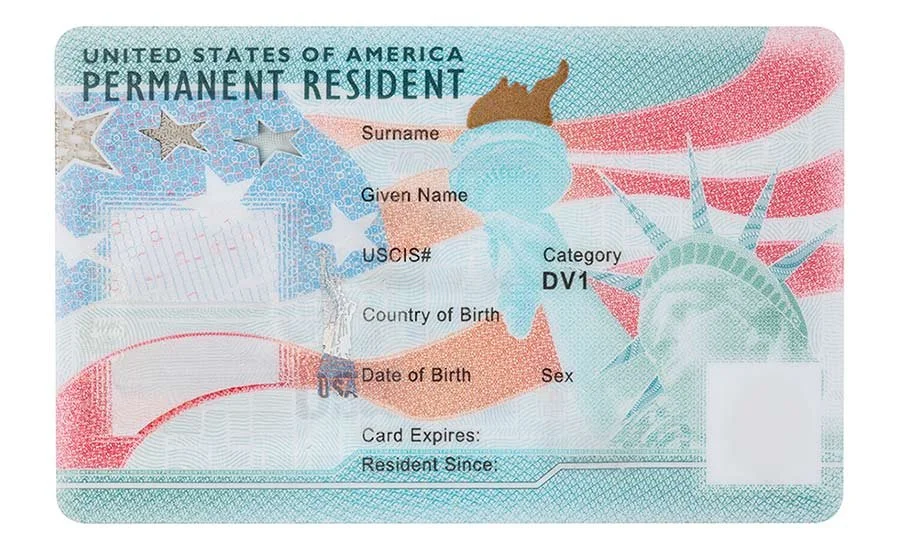
Adjustment of Status is the process through which certain individuals already present in the United States may apply for lawful permanent resident status without having to leave the country. This process allows eligible applicants to obtain a green card while remaining in the United States.
Step 1: Determine Eligibility
Eligibility for Adjustment of Status depends on the applicant’s immigration category and individual circumstances. Common pathways include:
Family-based petitions
Employment-based petitions
Asylum or refugee status
Special humanitarian programs
Applicants generally must have a qualifying immigrant petition approved and an immigrant visa immediately available.
Step 2: File the Immigrant Petition
Many cases require an underlying immigrant petition before filing for permanent residency, such as:
Form I-130 for family-based immigration
Form I-140 for employment-based immigration
Certain applicants may qualify to file the immigrant petition and adjustment application simultaneously.
Step 3: File Adjustment of Status Application
The Adjustment of Status process formally begins by filing the Application to Register Permanent Residence or Adjust Status with U.S. Citizenship and Immigration Services.
Step 4: Attend Biometrics Appointment
USCIS schedules a biometrics appointment to collect fingerprints, photographs, and signatures for background and security checks.
Step 5: Attend the Adjustment Interview
Many applicants are required to attend an interview at a local USCIS office. During the interview, a USCIS officer reviews the application, supporting documents, and eligibility for permanent residency.
Step 6: Receive a Decision
If approved, the applicant becomes a lawful permanent resident and receives a green card. If additional review is necessary, USCIS may continue processing or request further documentation.
Adjustment of Status applications often involve detailed eligibility requirements, extensive documentation, and strict procedural rules. Errors or omissions can lead to delays, requests for evidence, or denials. Our firm provides personalized legal guidance throughout every stage of the process, helping clients prepare complete applications, respond effectively to USCIS requests, and navigate interviews with confidence. We are committed to protecting our clients’ interests and helping them pursue lawful permanent residency as efficiently as possible. Call us today at (305) 709-2507 or book a consultation onlineto start your Adjustment of Status process.

Removal Defense
Removal defense involves representing individuals in Immigration Court who are facing deportation or removal from the United States. These proceedings can be complex and high stakes, making experienced legal representation essential to protecting an individual’s rights, family, and future.
Step 1: Notice to Appear (NTA)
Removal proceedings typically begin when the Department of Homeland Security issues a Notice to Appear (NTA). This document outlines the government’s allegations and the legal basis for seeking removal from the United States.
Step 2: Master Calendar Hearing
The first court appearance is generally a Master Calendar Hearing before an Immigration Judge. During this hearing:
The charges are reviewed
The respondent may admit or deny allegations
Relief from removal may be identified
Future hearing dates are scheduled
Step 3: Evaluate Available Defenses and Relief
Depending on the facts of the case, several forms of relief may be available, including:
Asylum
Cancellation of removal
Adjustment of status
Waivers of inadmissibility
Protection under the Convention Against Torture
A thorough legal analysis is critical to determining the strongest available defense strategy.
Step 4: Prepare Supporting Evidence
Removal defense cases often require extensive documentation. Proper preparation and organization of evidence can significantly impact the outcome of the case.
Step 5: Individual Hearing
At the Individual Hearing, the respondent presents testimony, witnesses, and supporting evidence before the Immigration Judge. The government attorney may also present evidence and cross-examine witnesses.
The judge then determines whether the respondent qualifies for relief or will be ordered removed.
Step 6: Appeals and Further Proceedings
If the Immigration Judge denies relief, additional legal options may be available, including appeals to the Board of Immigration Appeals or federal court review in certain cases.
Removal proceedings can have life-changing consequences, including separation from family, loss of lawful status, and forced return to dangerous conditions. Our firm is committed to providing aggressive and strategic representation for individuals facing deportation. We carefully evaluate every available legal option, prepare strong evidentiary records, and advocate forcefully before the Immigration Court and appellate authorities. Our goal is to protect our clients’ rights and pursue the strongest possible outcome in every case. Call us today at (305) 709-2507 or book a consultation onlineto start your Removal Defense process.